

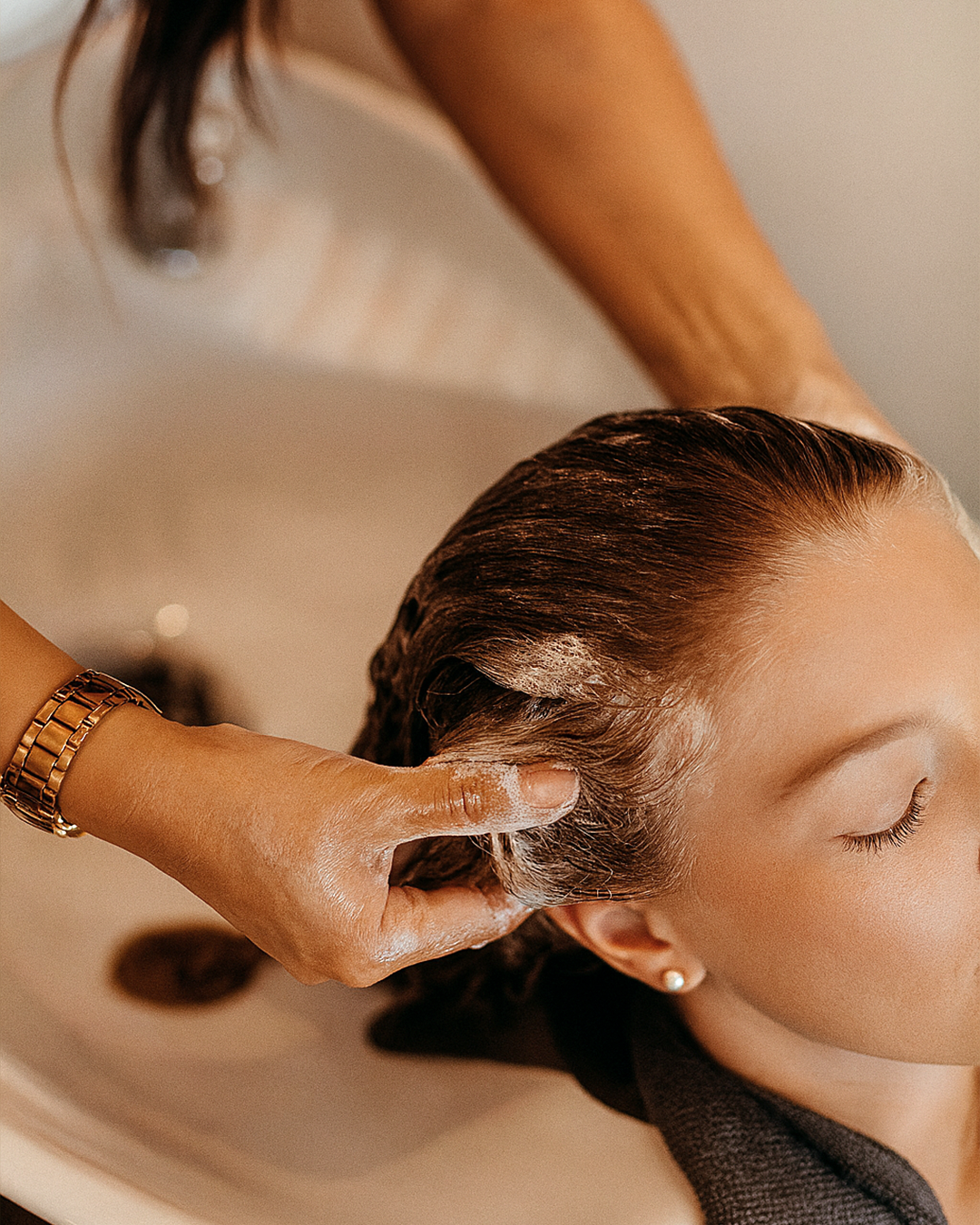
Hair diagnosis in action: the first step
Hair selection is a technical art. Each hair type — dry, damaged, color-treated, curly — has unique challenges that require a professional, knowledgeable, and tailored approach. A poor diagnosis can neutralize even the best haircut or style. That’s why mastering the choice of professional hair products is key to standing out as a stylist.
Dry hair: restoring lost hydration
Dry hair often looks dull, feels rigid, and is prone to breakage. This happens when the hair fiber loses its protective lipid layer due to external factors such as sun exposure, heat, wind, or excessive washing. The priority here is to restore nourishment without weighing the hair down.
In these cases, treatments with vegetable oils, natural proteins, and formulas without heavy silicones work very well. There are specific ranges with these ingredients that promote progressive hydration. For example, certain nourishing, vegan-focused lines can be an interesting option within this profile.
Damaged hair: repair from within
Structural damage in the hair shows up as split ends, rough texture, and loss of elasticity. Damage usually comes from technical processes such as bleaching, straightening, or constant heat use.
For this type of damage, products with hydrolyzed proteins, keratin, or active ingredients that work at the cortex level are most effective. Some professional packs, formulated to strengthen the fiber from root to tip, offer powerful solutions ideal for restoring highly compromised hair.
Color-treated hair: long-lasting color and shine
Color-treated hair needs a dual approach: keeping the color vibrant for longer and protecting the fiber from oxidative damage. This is achieved with formulas containing antioxidants, balanced pH, and UV protection.
Shampoos and masks formulated specifically for this purpose usually incorporate pigment-protecting complexes and sun filters. Some professional brands have developed ranges focused on prolonging color and smoothing hair texture after dyeing, maintaining vitality between salon sessions.
Curly hair: definition without stiffness
Curls have unique characteristics: they require high hydration, natural definition, and products that respect their shape without adding weight or frizz. It is also essential to avoid aggressive ingredients such as harsh sulfates or heavy silicones.
In the professional world, the rise of the curly-hair movement has driven the development of lines adapted to this approach. Lightweight formulas with botanical ingredients, paraben-free, and respectful of natural structure are essential for modern curly hair needs.
Conclusion: technique, judgment, and confidence
Mastering the selection of professional hair products requires technical knowledge, diagnostic ability, and constant updating. Evaluating hair type and applying specific products is the path to superior results and more satisfied clients.
Every head of hair is unique. The solution lies in knowing how to interpret it and accompany it with the best in professional cosmetics.