

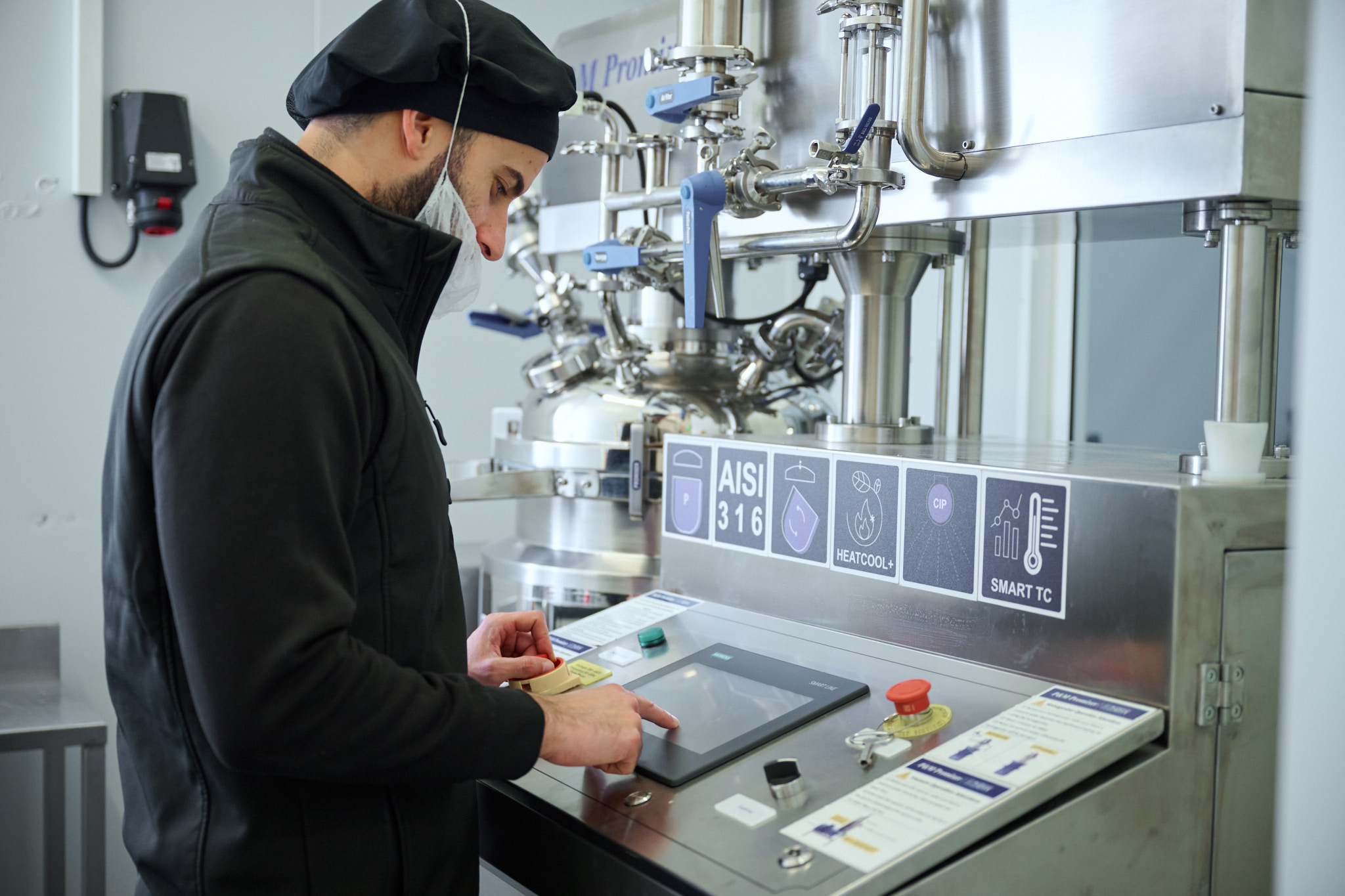
Cosmetic Quality and Safety
Quick answer
Manufacturing cosmetics to European standards means working with controlled and documented processes designed to ensure safety, quality, traceability and regulatory compliance.
In Europe, these requirements apply throughout the product journey, from the selection of raw materials to manufacturing, safety assessment and placement on the market.
What does this mean in practice?
| Area | What is controlled |
|---|---|
| Manufacturing | Processes, facilities, equipment and hygiene. |
| Quality | Raw materials and finished products. |
| Safety | Formula, intended use and product assessment. |
| Traceability | Origin and history of each batch. |
| Documentation | PIF, controls, labelling and records. |
Much more than “made in Europe”
The place of manufacture and compliance with European standards are not exactly the same thing.
The main regulatory framework is Regulation (EC) No 1223/2009, which sets out the requirements that cosmetic products marketed in the European Union must meet.
What matters is not only where a cosmetic product is manufactured, but how it is formulated, produced, controlled and documented.
Good Manufacturing Practices: the foundation of the system
Cosmetic products marketed in the European Union must be manufactured in accordance with Good Manufacturing Practices (GMP).
EN ISO 22716 is the harmonised reference used to organise areas such as:
- production and hygiene;
- personnel and facilities;
- raw materials;
- storage;
- quality control;
- documentation and traceability.
An important distinction: compliance with Good Manufacturing Practices is mandatory, but holding an ISO 22716 certificate issued by a third party is not generally a legal requirement.
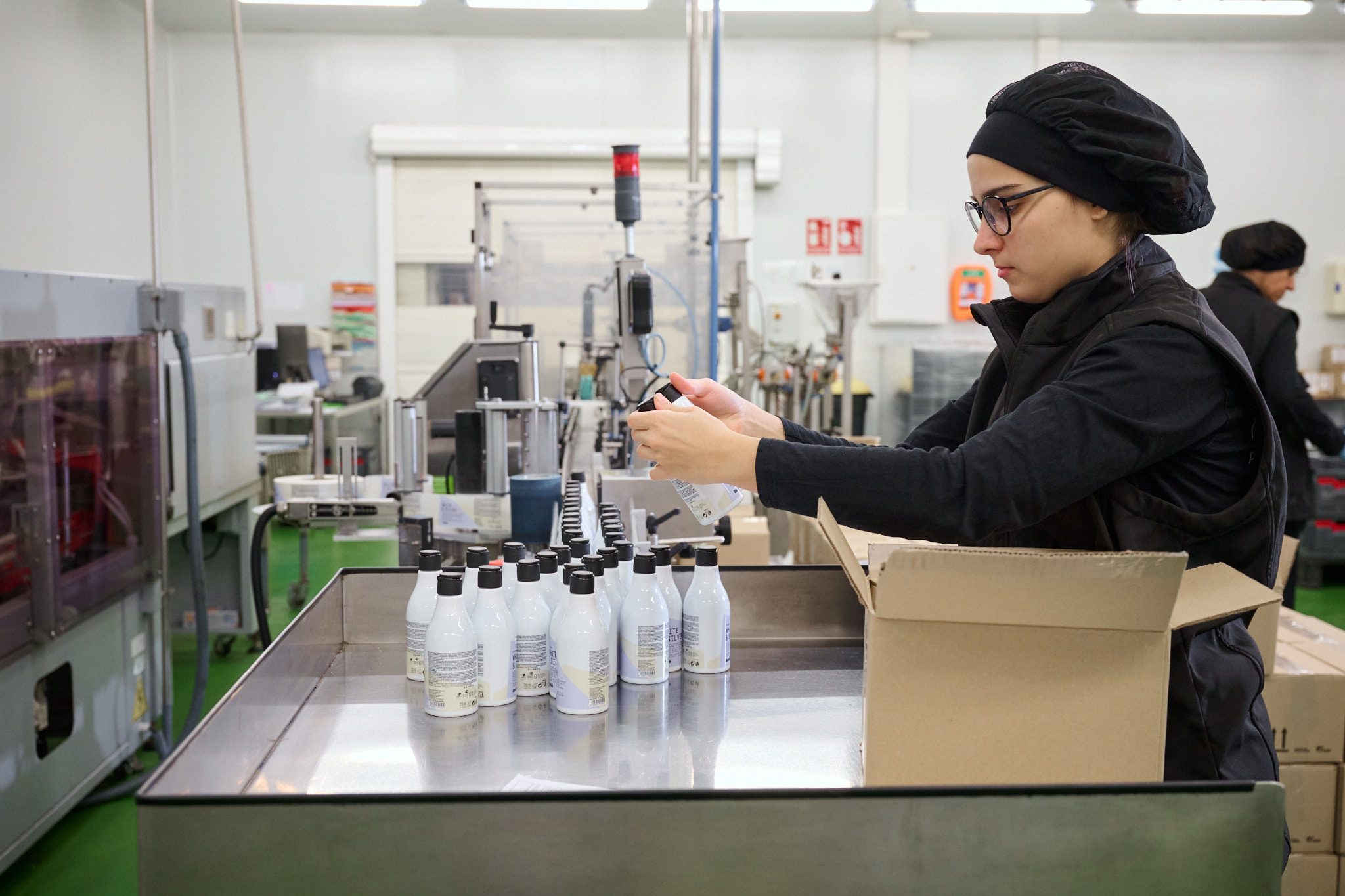
Safety, traceability and documentation
Each batch must be traceable through its documentation. The manufacturer needs to know which raw materials were used, which operations were carried out and which controls the product passed.
Before being placed on the market, the cosmetic product must also undergo a safety assessment and have its corresponding Product Information File (PIF).
- Raw material control.
- Manufacturing records.
- Finished product controls.
- Safety assessment.
- Technical documentation and traceability.
The CPNP is not a European approval
Before a cosmetic product is marketed in the European Union, it must be notified through the Cosmetic Products Notification Portal (CPNP).
Notification does not mean that the European Commission has individually approved or certified the product.
The responsibility for ensuring that the cosmetic product complies with the applicable legislation lies with the Responsible Person.
Why is this especially important in professional cosmetics?
Because consistency is essential. In a salon, a shampoo, treatment, colour product or styling product should perform predictably from one batch to another.
That is why professional cosmetic manufacturing connects three areas that should not work in isolation:
- R&D: develops and validates the formula.
- Production: transfers the formula to industrial-scale manufacturing.
- Quality: verifies that the final result meets the established specifications.
At Global Cosmetic Technology, this integration is part of our approach to developing and manufacturing professional hair cosmetics in Valencia.
Frequently asked questions
Is ISO 22716 mandatory?
Good Manufacturing Practices are mandatory. ISO 22716 is the main harmonised reference for their implementation, although third-party certification is not generally mandatory.
What is a PIF?
The Product Information File brings together essential documentation relating to the cosmetic product, its safety and its manufacturing process.
Does the CPNP approve cosmetic products?
No. It is a notification system required before placing a cosmetic product on the market, not a European quality seal or product authorisation.
In summary
Manufacturing cosmetics to European standards means turning quality into a system: continuously controlling raw materials, processes, safety, documentation and traceability.
For the professional cosmetics sector, this approach provides a solid foundation for developing safe, consistent products that are ready to meet the real demands of the market.
Verified sources
Professional haircare development and manufacturing
At Global Cosmetic Technology, we develop and manufacture professional haircare solutions, integrating innovation, production and quality control.